
ABOUT KENDALL
I’ve learned to build confidence more than once.
My relationship with risk has changed dramatically throughout my life.
The first time I developed confidence in consequential environments, it came naturally. I moved through climbing and skiing with very little hesitation. But looking back, some of that confidence may have come from being overly unconscious of danger.
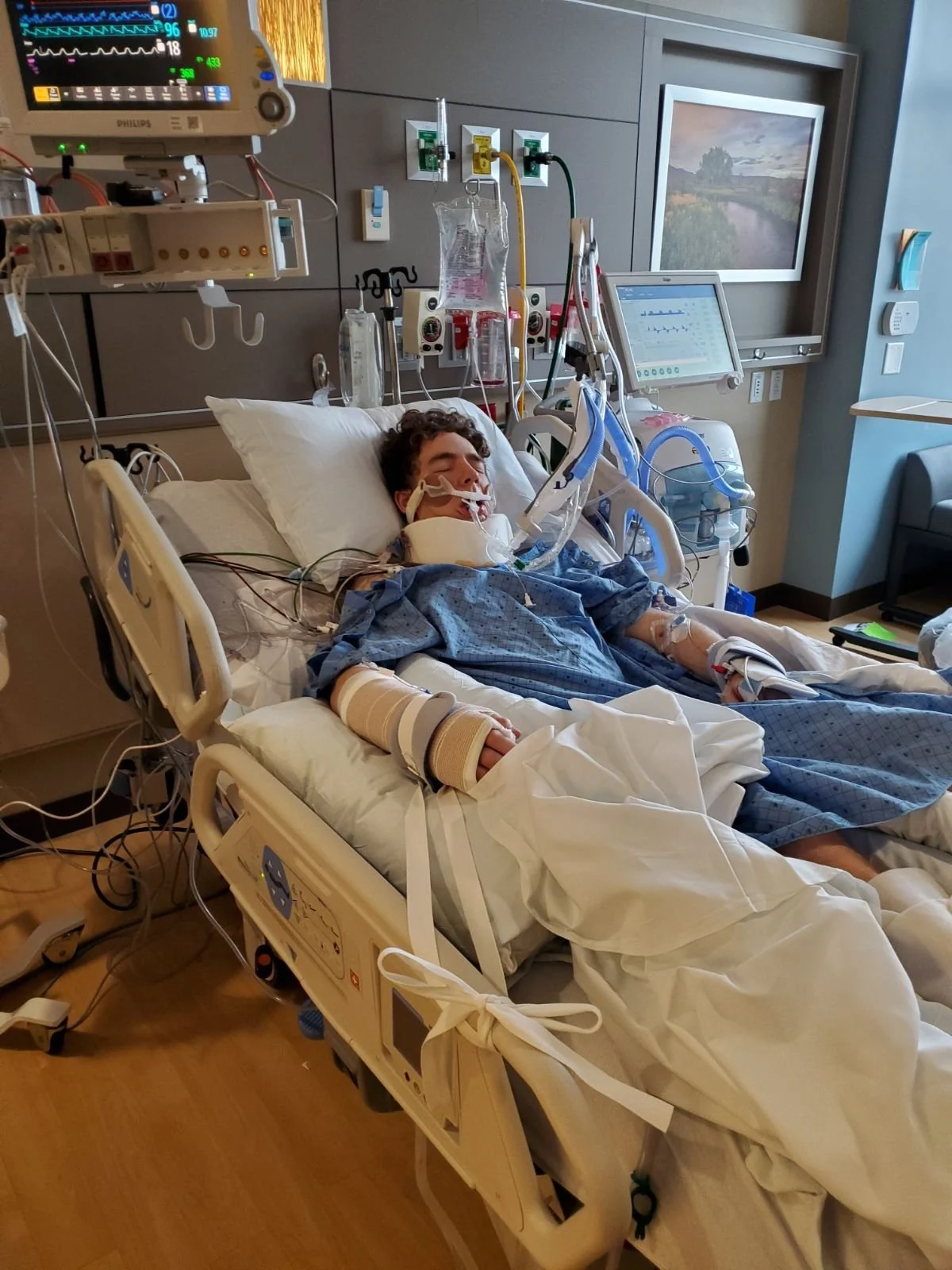
That changed when I fell from a cliff while ski mountaineering.
I broke my wrist in thirteen places and five ribs. I tore my diaphragm, lacerated my liver on a broken rib, and collapsed a lung.
After the accident, I couldn’t relate to risk in the same unconscious way. The possible consequences were no longer abstract. My body understood them.
Rebuilding without becoming unconscious again
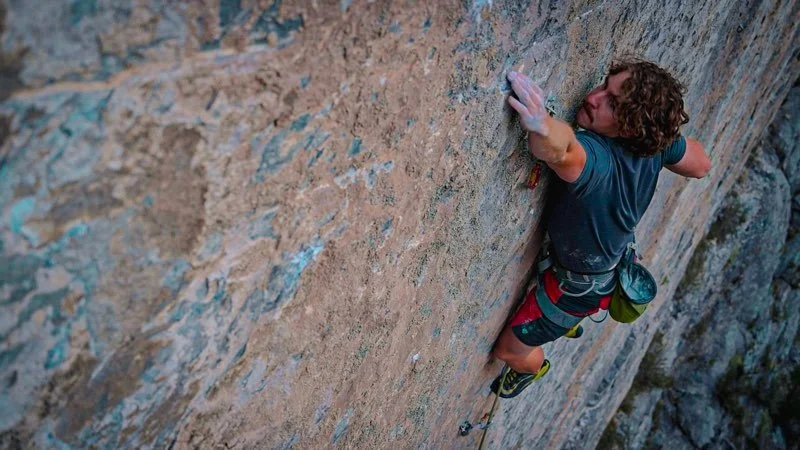
When I returned to lead climbing, I had to rebuild confidence deliberately.
The goal wasn’t to convince myself that climbing was safe or return to the version of myself who barely considered danger. It was to learn how to remain aware of risk without automatically being controlled by it. I began rebuilding my ability to stay present, interpret what I was feeling, and make clear decisions while uncertainty was still there.
Eventually, confidence returned—but it was a different kind of confidence. It was more conscious, more informed, and more trustworthy.
Confidence as a relationship, not a possession
Later, I stepped away from climbing for several months to teach skiing. When I returned, I found that my relationship with lead climbing had changed again. The knowledge was still there. The physical ability was still there. But the familiarity with exposure, falling, and uncertainty needed to be rebuilt.
That experience helped me understand that confidence isn’t something we either have or don’t have. It is a relationship we develop with a particular kind of risk—and that relationship can strengthen, weaken, and be intentionally restored.
From personal experience to a coaching process
Teaching skiing and climbing gave me the opportunity to help many other people navigate their own relationships with fear and uncertainty. I began noticing consistent patterns.
People rarely needed to eliminate fear. They needed to understand what they were attempting, choose the right amount of challenge, remain present during the experience, receive accurate feedback, and recognize progress when it occurred.
Over time, those observations became the process I use today.
Why I created this company
I created Lead With Confidence to help climbers build a conscious and reliable relationship with lead climbing risk.
I don’t teach climbers to ignore danger, suppress fear, or force themselves above the bolt. Real confidence includes the ability to recognize danger and decide not to continue. Instead, I help climbers remain present enough to distinguish actual risk from the intensity of uncertainty—so their decisions come from clear awareness rather than automatic reaction.
The goal is not fearlessness. The goal is to preserve access to your movement, judgment, and desire while fear is present—so you can respect the risk and still climb like yourself.
Let’s talk about your climbing.
If you repeatedly lose access to your climbing when you move above the bolt, I’d love to hear what happens.
Your consultation is a free conversation about your experience, what you want to change, and whether my approach is the right fit.